
Do I Have Olive Undertones? How to Tell
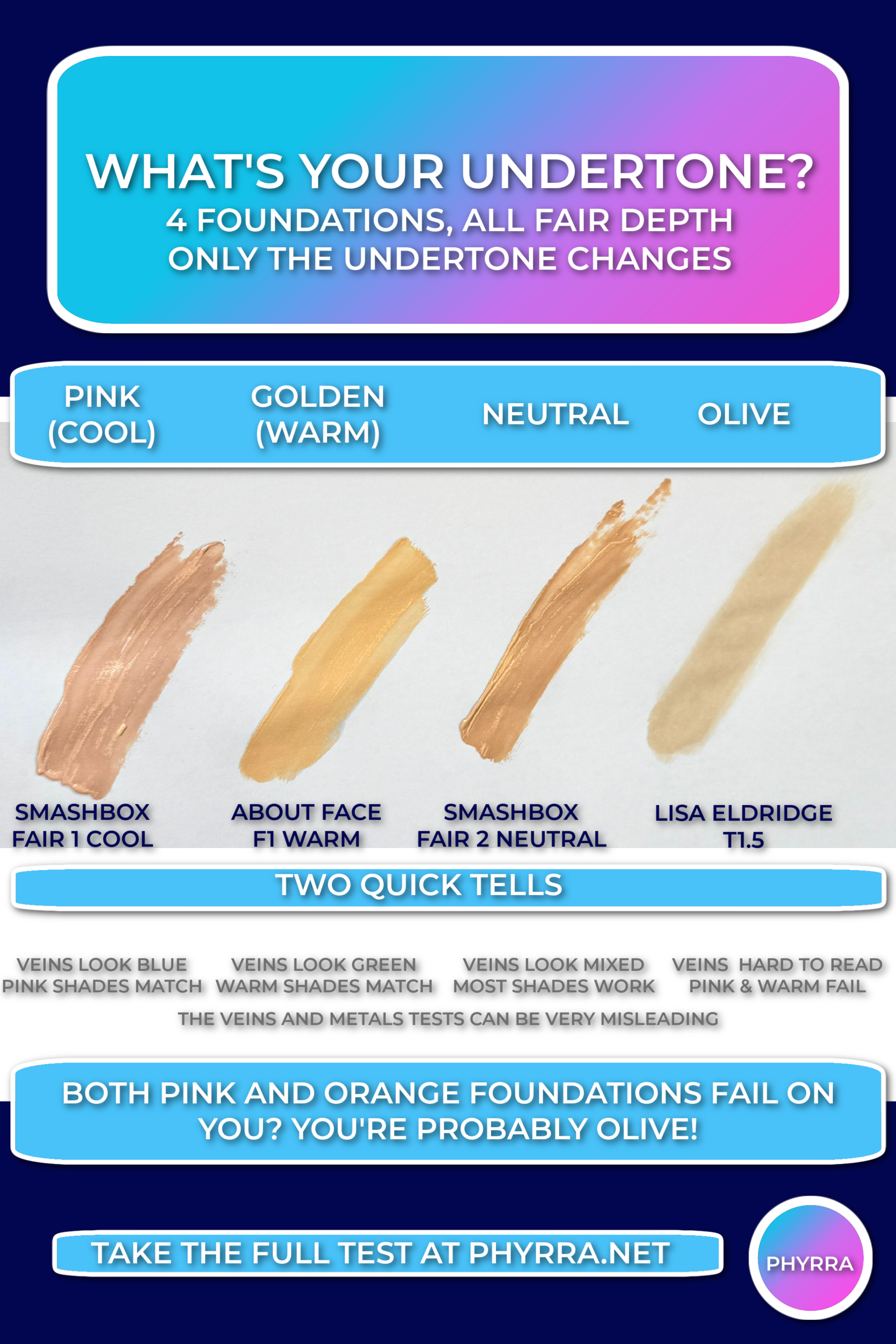
Hello, beautiful people! Do I have olive undertones? I get asked this question all the time, especially since my Lisa Eldridge Shade 2.5 review, because once people hear the phrase “fair olive,” something clicks. If every foundation you’ve ever tried turned pink like a sunburn or orange like a pumpkin, you might be one of us (one of us, one of us!). I spent over 30 years mixing blue or white drops into foundations and blending two shades across my face before I understood my own undertone, so let me save you the decades.
This post contains affiliate links, and I earn a small commission if you shop through them, at no extra cost to you. Thanks for shopping through my links! Smashbox Fair 1 Cool and Fair 2 Neutral were provided as press samples. Everything else purchased by me.
The Quick Answer
You likely have olive undertones if foundations consistently turn too pink or too orange on you, your skin carries a subtle green-grey or khaki cast that most shade ranges never capture, and even “universally flattering” shades like peach and coral tend to fight your skin. Olive is a modifier, not a temperature: you can be warm olive, cool olive, or neutral olive, and you can absolutely be pale neutral cool olive like me. The tests below will tell you in minutes.
What Are Olive Undertones?
Olive undertones are a green-grey cast in the skin that sits on top of a warm, cool, or neutral base. Instead of clearly pink or clearly golden, olive skin looks slightly muted, sometimes described as ashy, khaki, or grey, especially in unedited photos. Importantly, olive is not a depth. The beauty industry treats olive as something that only exists in medium and tan shades, but olive undertones exist at every depth from porcelain to deep. I’m living proof: my skin is porcelain, the palest shade in almost every range, and it’s olive.
The Science: Where the Green Tinge Actually Comes From
Here’s the part that blew my mind when I finally understood it: there is no green pigment in human skin, and no blue either. Our skin color comes primarily from two melanins. Eumelanin is brown to black, while pheomelanin ranges from yellow through orange to red, and the ratio between them creates every human skin tone.
So where does the olive cast come from? Color theory answers it: when you take yellow and mix in a small amount of black or brown, the result starts reading greenish. In other words, the “green” in olive skin is actually a deeper, desaturated yellow. Consequently, olive skin is yellow-dominant skin that carries less pink, less red, and less orange than other skin tones. Once you understand that, the foundation problem explains itself: most foundations add exactly the pink or orange that our skin lacks, which is why they clash instead of matching. Credit where it’s due: a brilliant visual guide shared on r/Fairolives sent me down this color theory rabbit hole, and it’s worth a read if you love the science.
Undertone vs. Overtone: The Trap That Fooled Me for Years
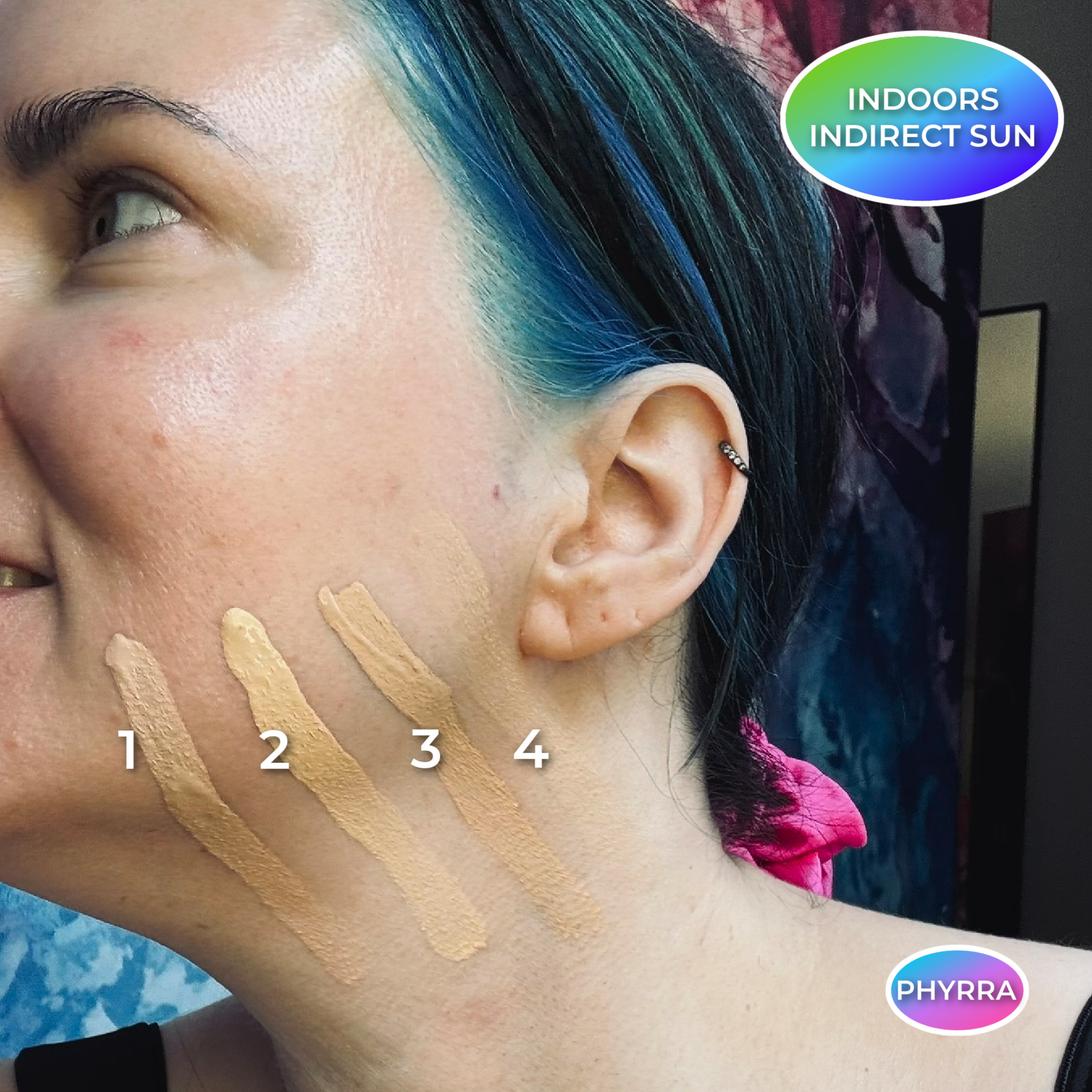
Shades:
- (PR) Smashbox Dual Filter 2-in-1 Concealer + Foundation in Fair 1 Cool
- About Face The Performer Foundation in F1 Warm
- (PR) Smashbox Dual Filter 2-in-1 Concealer + Foundation in Fair 2 Neutral
- Lisa Eldridge Seamless Skin Tint in T1.5
Here’s the concept nobody explains: your undertone and your overtone are different things. An overtone is surface color, like the redness from my rosacea that sits on top of my skin. An undertone is the cast underneath that never changes. For years, my facial redness convinced several makeup counter employees that I was pink-toned, so they matched my face instead of my true color. Others decided I was warm and kept turning me orange. Consequently, everything oxidized rosy or tangerine on me by lunch. Now I always match foundation to my neck and chest, where my undertone shows without the rosacea overtone shouting over it. If you have rosacea, flushing, or acne redness, this one habit will change your foundation life.
The Olive Undertone Tests
No single test is perfect, so run several and look for the pattern.
1. The Foundation Failure Test (the most reliable one)
Think about every foundation that betrayed you. Did the “fair cool” shades turn pink, rosy, or even lilac? Did the “fair warm” shades turn orange or muddy? When BOTH directions fail, that’s the olive signature, because standard shades only come in pink or yellow and your skin is neither. My entire makeup life before finding true olive shades was this test on repeat.
2. The Neck and Jawline Check
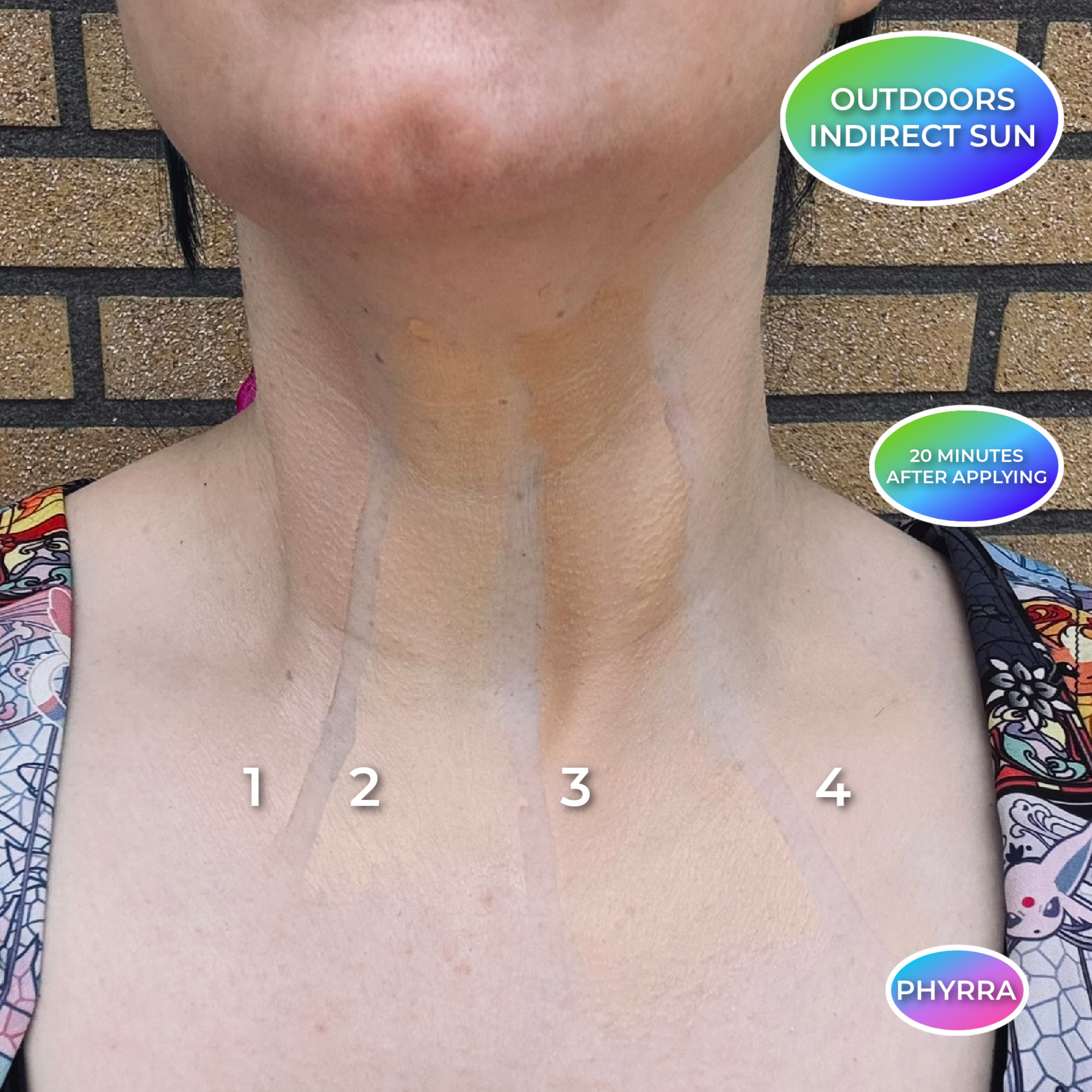
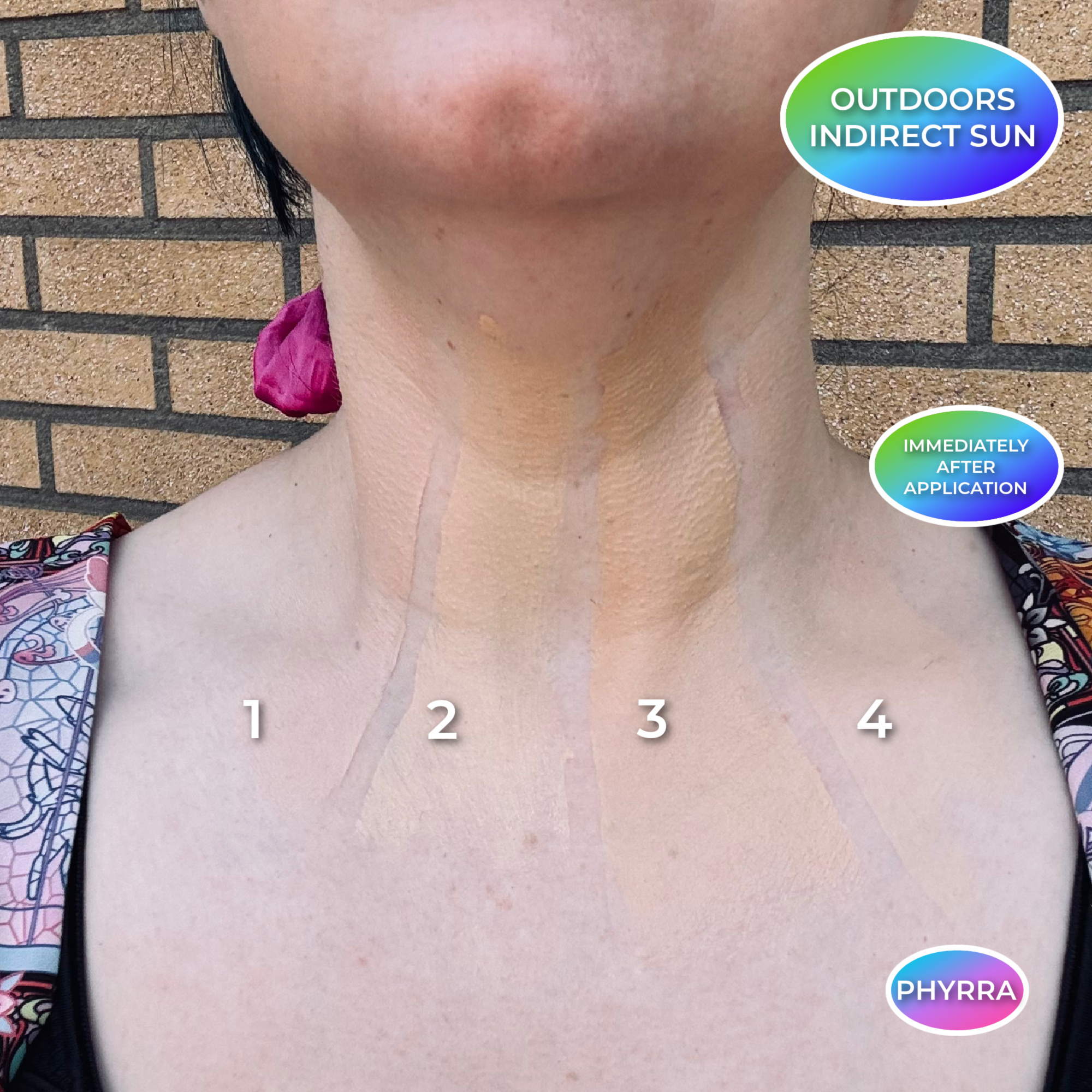
Shades:
- (PR) Smashbox Dual Filter 2-in-1 Concealer + Foundation in Fair 1 Cool
- About Face The Performer Foundation in F1 Warm
- (PR) Smashbox Dual Filter 2-in-1 Concealer + Foundation in Fair 2 Neutral
- Lisa Eldridge Seamless Skin Tint in T1.5
Swatch your closest foundation match along your jawline, blend the edges, and look at it by a window in indirect daylight. On olive skin, even close matches sit slightly “off,” a touch too rosy or too peachy against the neck. Meanwhile, a true olive shade seems to disappear. This is exactly how I confirmed my Lisa Eldridge T1.5 / 2.5 Olive match.
3. The Vein Check (with a big caveat)
Look at the veins on your inner wrist in natural light. Blue or purple veins suggest cool undertones, green veins suggest warm, and if yours look blue-green, teal, or you honestly can’t decide, that ambiguity itself points toward neutral or olive. However, I consider this the least reliable test, especially on very fair skin where veins show clearly no matter what, so treat it as one clue rather than a verdict.
4. The White vs. Cream Test
Hold pure white fabric under your chin, then cream or ivory. Olive and cool undertones usually look fresher against pure white, while cream can make olive skin look sallow. Additionally, try silver versus gold jewelry: many olives find silver more harmonious, though neutral olives can wear both.
5. The Color Harmony Test
Many olives report that earth-toned “ugly” colors like olive green and khaki mysteriously look good on them while peach, coral, and salmon clash and emphasize sallowness. If that’s you, it’s a clue. However, here’s the caveat most undertone articles get wrong: the colors that flatter you are governed by your color season, meaning your contrast and clarity, not by undertone alone. I’m a pale olive AND a high contrast Bright Winter, so mustard and muted earth tones look awful on me, while teal, turquoise, and saturated jewel tones look amazing. Consequently, if the earth tone test fails you, it does not rule out olive; weight the foundation tests above more heavily, because they measure undertone directly.
6. The Photo Test
Look at unedited photos of yourself in daylight. Olive skin often photographs slightly grey, khaki, or “washed out” compared to how warm or pink your friends photograph, because cameras exaggerate the muted cast. If you constantly think you look sallow or grey in photos while looking fine in the mirror, that’s another clue.
Can Pale Skin Have Olive Undertones?
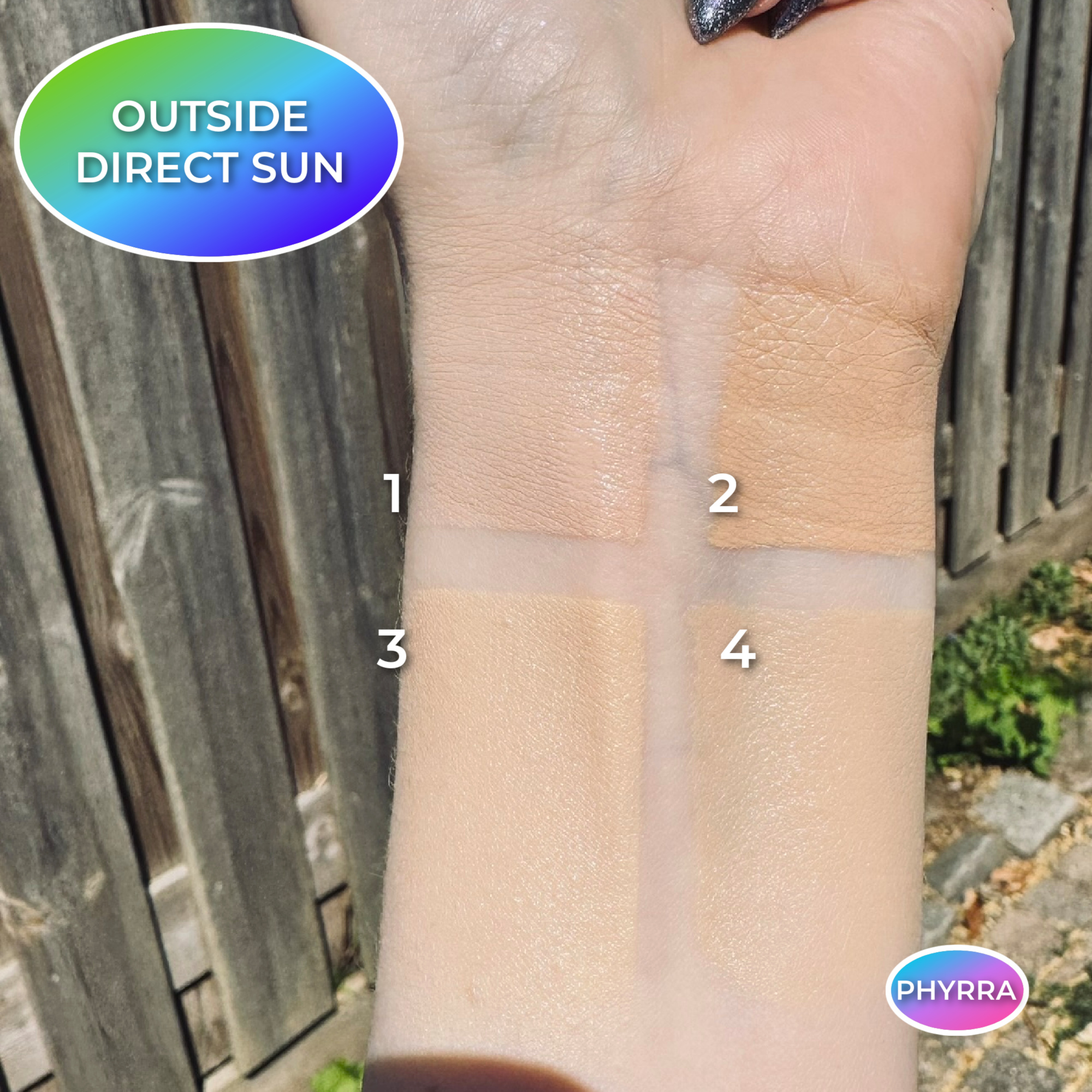
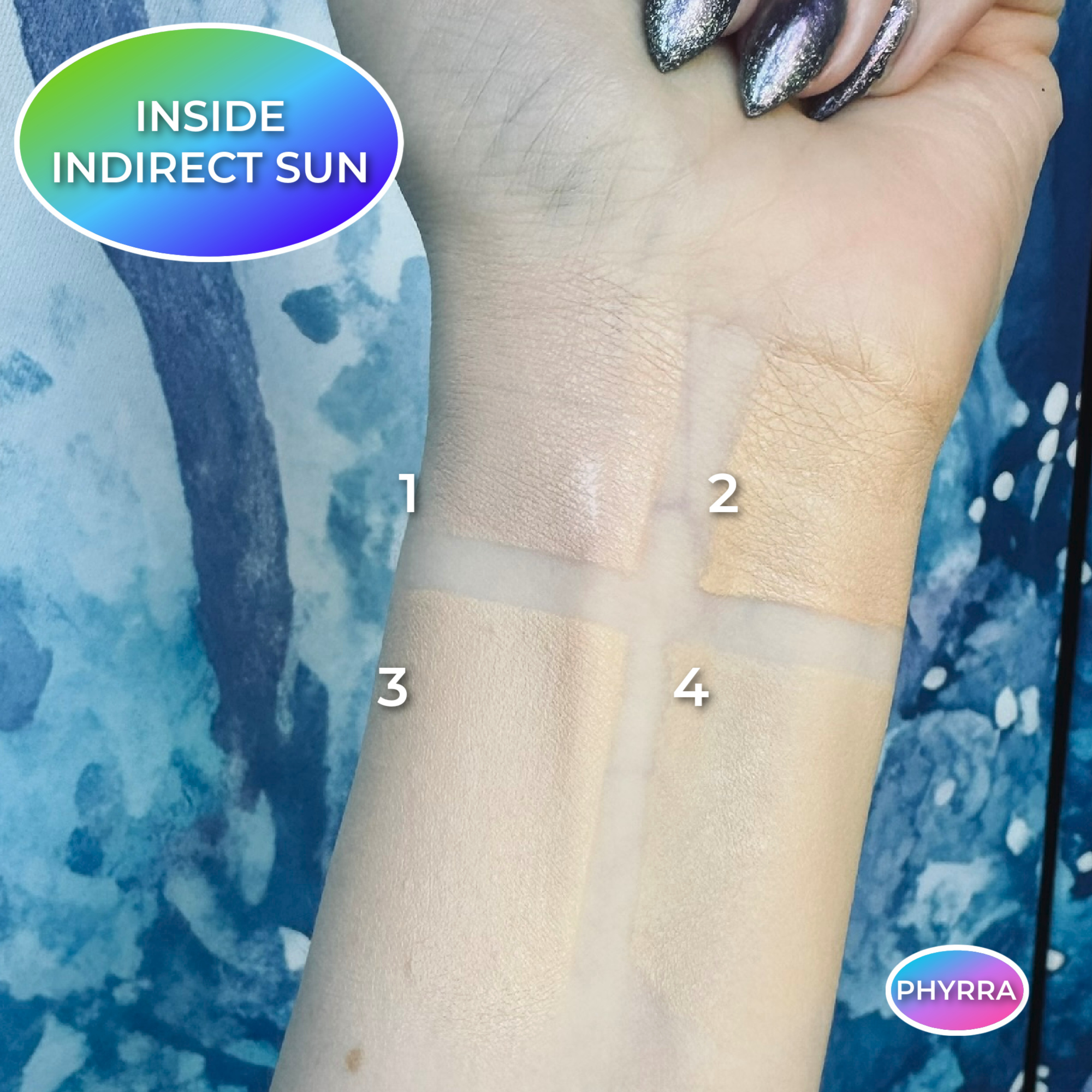
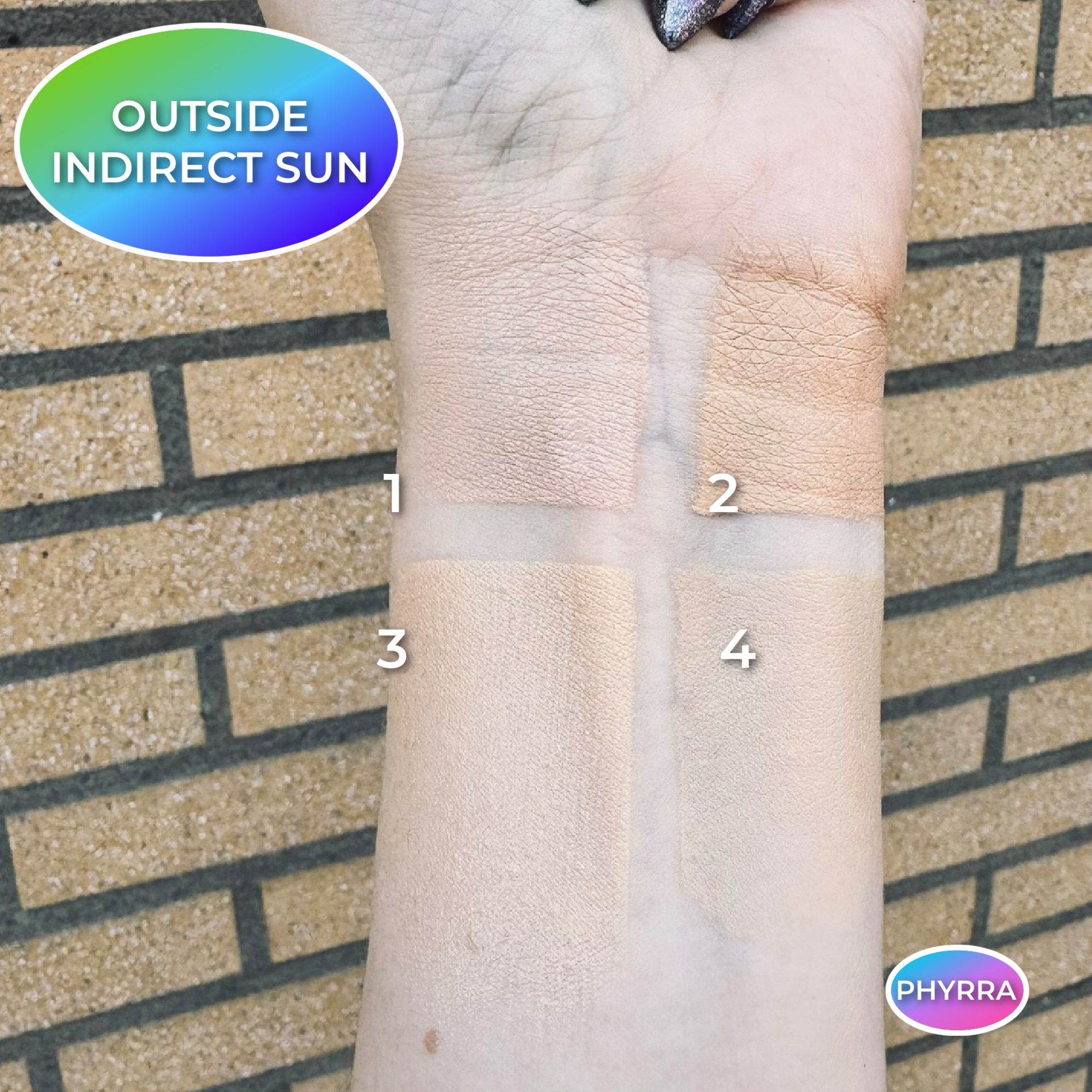
Shades:
- (PR) Smashbox Dual Filter 2-in-1 Concealer + Foundation in Fair 1 Cool
- (PR) Smashbox Dual Filter 2-in-1 Concealer + Foundation in Fair 2 Neutral
- About Face The Performer Foundation in F1 Warm
- Lisa Eldridge Seamless Skin Tint in T1.5
Yes, emphatically yes. This is the most common doubt I hear, because pale olive shades barely exist in mainstream makeup, so pale olives grow up believing they’re just “hard to match.” I can’t tan (I burn and peel), my skin stays the same color year-round, and I am still olive. There’s also a scientific reason pale olives fly under the radar: fair skin contains very little pigment overall, so the visible difference between yellow-dominant olive skin and warm orange skin shrinks to almost nothing at our depth. That tiny difference is still enough to make foundations fail, but it’s subtle enough that counter matching misses it constantly. Fair olive skin usually reads as neutral with a muted, slightly grey-yellow quality rather than visibly green. If you’re very fair and both pink and peach foundations look wrong on you, you’re very likely a pale olive.
Warm Olive, Cool Olive, and Neutral Olive
Once you know you’re olive, the second question is temperature, because olive modifies your base rather than replacing it. Warm olives lean golden underneath the green cast and suit bronze and warm earth tones. Cool olives lean pink-blue underneath and suit silver and jewel tones. Neutral olives sit in between with a muted yellow base; I describe my own skin as porcelain neutral cool yellow olive. I wear silver and gold, but prefer silver, and jewel tones look great on me. Knowing your temperature narrows your foundation hunt from “olive shades” to “your olive shade.”
What Olive Undertones Mean for Your Foundation
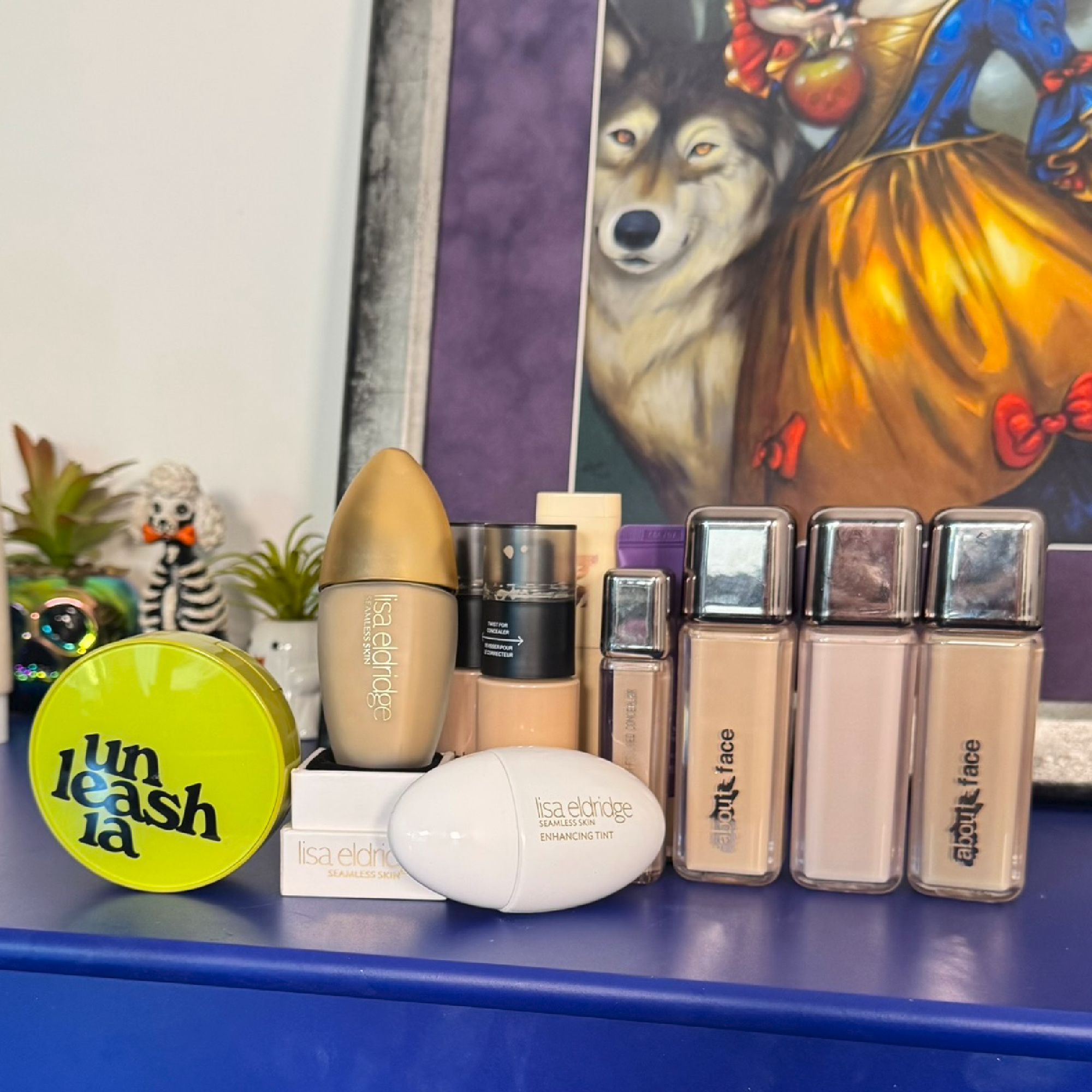
Practically, it means you should stop trying to force pink or golden shades to work. Instead, seek out ranges with true olive options. My tested matches for very fair olive skin: Lisa Eldridge The Foundation in 2.5 and the Seamless Skin Tint in T1.5 Olive, the LYS Triple Fix Stick in LN1, Haus Labs 01 Fair Neutral Triclone Concealer, and my new budget find, the Unleashia Satin Wear Healthy-Green Cushion in 16N Peach Fuzz. For the full swatch comparisons, start with my Lisa Eldridge review and my About Face F2 Olive comparison. I do have About Face F1 Olive Illusionist Concealer on the way to me for shade comparison and review too.
If a range has no olive shades at all, mixing drops can save a close-but-wrong shade, and the color theory above tells you which drop to reach for. Blue sits opposite orange on the color wheel, so a blue mixer like LA Girl’s blue pigment desaturates a too-orange foundation; importantly, blue only helps if orange is your problem. If a foundation runs too pink or red on you instead, you need a yellow mixer, and a white mixer lightens depth for those of us at porcelain level. These were my survival tricks for 30 years, though matching correctly from the start beats mixing every morning.
Olive Undertones FAQ
Why does olive skin look green or grey?
Not because of green pigment, since human skin contains none. Skin color comes from two melanins, brown-black eumelanin and yellow-to-red pheomelanin, and when a yellow-dominant mix carries a touch of that darker eumelanin, the result reads as greenish, khaki, or grey. Essentially, the olive cast is a deeper, desaturated yellow, and cameras exaggerate it, which is why olive skin so often photographs sallow.
Are olive undertones rare?
Less rare than the beauty industry pretends. Olive undertones appear in people of Mediterranean, Middle Eastern, Latin American, South Asian, and East Asian descent, and also in plenty of Northern European people like me who nobody warns about it. The shades are rare; the people are not.
Are olive undertones warm or cool?
Olive can technically be warm, cool, or neutral, but here’s the color theory secret: warmth in skin usually reads as orange, not yellow, and olive skin is by definition yellow-dominant. In my personal experience, most olives lean cool or neutral, and truly warm olives are less common but they still exist, usually appearing at light-medium depths and deeper. My skin, for example, is porcelain neutral cool yellow olive: a muted yellow base with a cool cast, which is why both standard pink AND standard golden shades fail on me.
Can very fair or pale skin be olive?
Absolutely. I’m porcelain, the palest shade in nearly every range, and olive. Pale olive skin usually looks neutral and slightly muted rather than visibly green, which is exactly why so many pale olives go undiagnosed for decades.
What colors look good on olive undertones?
It depends on your color season, not just your undertone, and conflating the two is where most advice goes wrong. Muted-season olives glow in earth tones, burgundy, and dusty shades, while bright-season olives like me look best in saturated jewel tones; teal and turquoise are stunning with my pale olive skin, and mustard is my enemy. Peach, coral, and salmon are the shades that most olives of every season struggle with. For makeup specifically, my cool toned eyeshadow palettes guide covers what works on my cool olive, Bright Winter coloring.
Do olive undertones change with age or seasons?
No, your undertone is permanent, even though your overtone and depth can shift with sun, redness, or age. My skin color hasn’t changed year-round for decades because I can’t tan. If your foundation seems to match differently across seasons, your depth changed, not your undertone.
What happens if olive skin wears the wrong undertone?
Pink-based shades oxidize rosy or lilac on olive skin, while warm golden shades turn orange and muddy, and both usually worsen through the day. Instead of correcting with green primers forever, matching your true undertone solves it at the source.
Olive Foundation Swatches and Sister Shade Matches
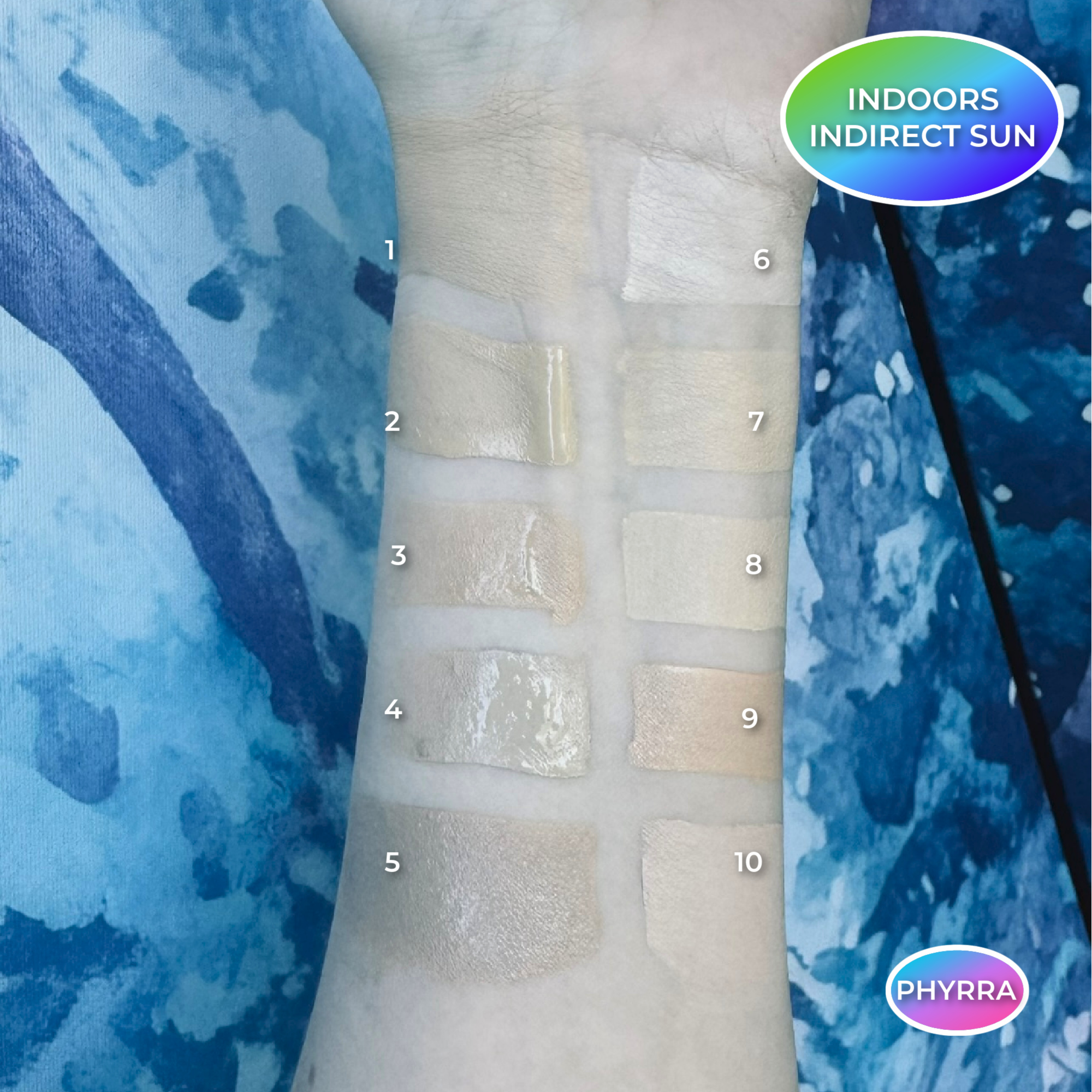
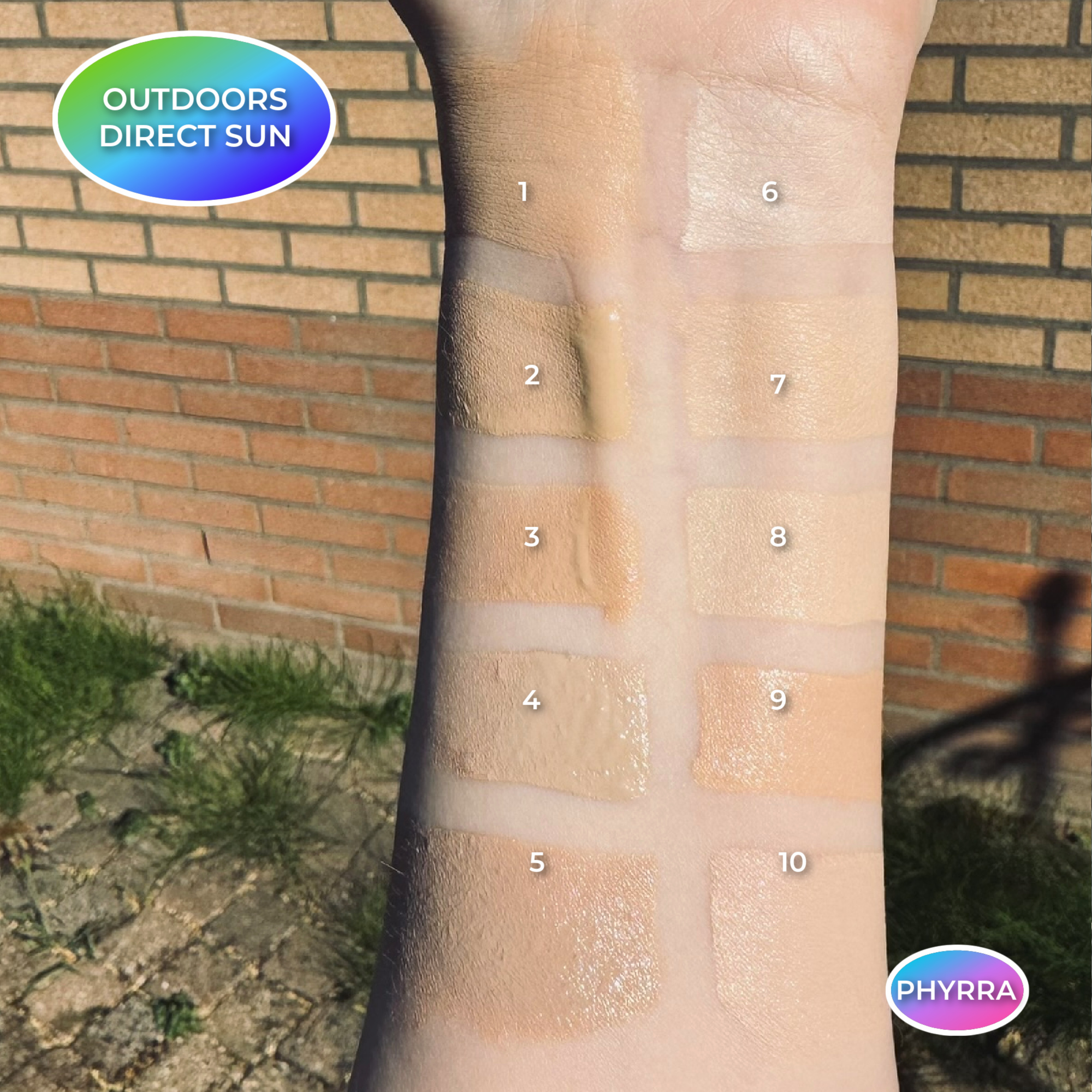
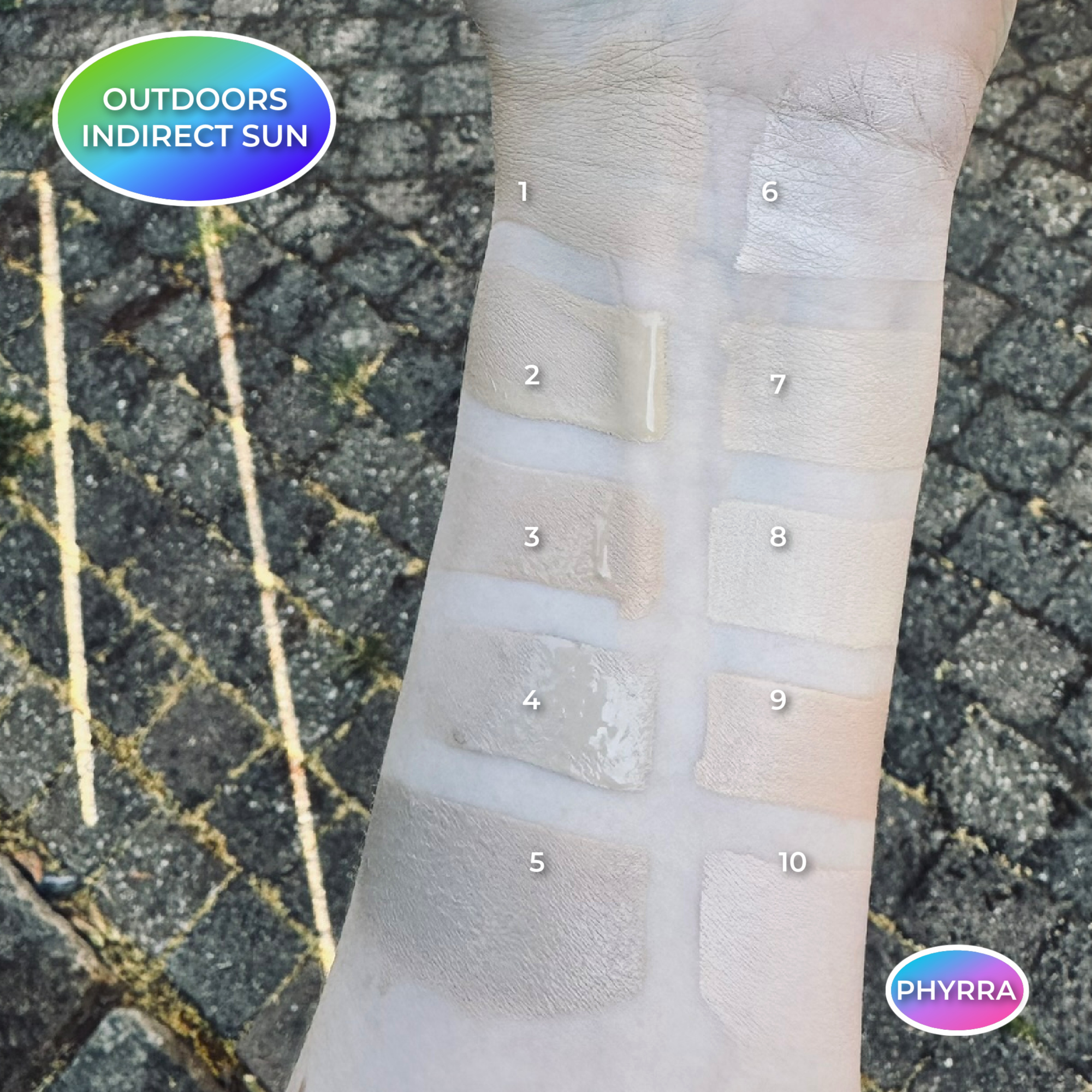
Shades:
- Lisa Eldridge Seamless Skin Tint in T1.5 Olive
- Lisa Eldridge Seamless Skin Foundation in 2.5 Olive
- About Face the Performer Foundation in F2 Olive
- About Face the Illusionist Concealer in F2 Olive
- Missha M Perfect Cover Serum BB Cream No. 21 Light Beige Olive
- About Face the Performer Foundation in F0 Cool
- About Face the Performer Foundation in F1 Warm
- Unleashia Green Cushion 16N Peach Fuzz
- (PR) Smashbox Dual Filter 2-in-1 Concealer + Foundation in Fair 2 Neutral
- LYS Beauty Triple Fix Blurring and Hydrating Skin Tint Foundation Stick in LN1
I’ve only recently discovered I was olive, so I wanted to include swatches of my olive complexion products on on side and my sister shade matches on the other side. I can wear the sister shades and make them work well, with LYS Beauty Triple Fix Blurring and Hydrating Skin Tint Foundation Stick in LN1 being my best sister shade match, followed by (PR) Smashbox Dual Filter 2-in-1 Concealer + Foundation in Fair 2 Neutral.
Final Thoughts
Learning I had olive undertones rewrote 30 years of thinking I was simply impossible to match. If the tests above sound like your life, you’re not difficult, you’re olive, and the makeup industry just forgot to make your shade for a few decades. The good news: brands like Lisa Eldridge, About Face, LYS, Haus Labs, Unleashia, and a wave of K-beauty lines are finally catching up, and I test everything on my porcelain olive skin so you can shop with confidence.
So tell me: are you team olive? Which test finally made it click for you? Let me know in the comments, and if this post helped you, sharing it genuinely keeps this blog alive.
